Category Archives: Uncategorised

Infertility Could Be the Toughest Emotional Hurdle of Your Life

For many individuals and couples, the dream of starting a family can be overshadowed by the heart-breaking reality of infertility. The emotional toll of infertility cannot be underestimated. It encompasses a range of complex feelings, including grief, loss, frustration, and a deep longing for a child. In this informative and detailed blog article, we will explore the profound impact of infertility on emotional well-being and provide guidance on coping strategies to navigate this challenging journey.

The Emotional Roller Coaster:

Infertility can send you on an emotional roller coaster unlike any other. Month after month, the hope and anticipation of conceiving are met with disappointment and grief. Each negative pregnancy test, unsuccessful fertility treatment, or news of another pregnancy announcement from friends or family can feel like a painful blow to the heart. The emotional burden can be overwhelming and exhausting.

Grief and Loss:

Infertility often involves mourning the loss of the imagined future and the dreams of parenthood. It can be an invisible loss, as there is no tangible object or person to grieve, but the emotional impact is real and profound. The journey through infertility can involve grieving the loss of biological parenthood, the loss of a genetic connection to a child, or the loss of the idea of conceiving easily.

Isolation and Shame:

Infertility can also lead to feelings of isolation and shame. The pain and sensitivity surrounding fertility issues can make it difficult to openly discuss the struggles with others. Many individuals and couples find themselves suffering in silence, feeling as though they are the only ones facing this challenge. Society’s expectations and cultural stigmas around reproduction can exacerbate these feelings of shame.

Relationship Strain:

Infertility can put significant strain on relationships. The intense emotional ups and downs, coupled with the pressures of fertility treatments, can create tension and stress between partners. Disagreements about the next steps, blame, and the divergent coping mechanisms employed by each partner can further complicate the situation. Navigating these challenges requires open communication, empathy, and seeking professional support if needed.

Self-Identity and Self-Worth:

Struggling with infertility can impact one’s self-identity and self-worth. Society often equates fertility with womanhood or masculinity, which can lead to feelings of inadequacy and a diminished sense of self. The inability to conceive can make individuals question their bodies, their femininity or masculinity, and their purpose in life. It is crucial to remember that infertility does not define one’s worth as a person.

Coping Strategies:

While infertility can be emotionally challenging, there are coping strategies that can help navigate this difficult journey:

Seek Support: Connect with others who are going through similar experiences. Join support groups, both online and offline, to share your feelings, gain perspective, and find solace in a community of individuals who understand.

Communicate Openly: Share your emotions and concerns with your partner. Honest and open communication can strengthen your bond and help you navigate the emotional challenges together.

Prioritize Self-Care: Take care of your emotional well-being by engaging in activities that bring you joy, relaxation, and a sense of peace. This could include practicing mindfulness, exercising, journaling, or seeking therapy.

Set Boundaries: Establish boundaries with family, friends, and acquaintances when it comes to discussing your fertility journey. It is okay to kindly let them know your limits and request their understanding and support.

Educate Yourself: Knowledge is empowering. Educate yourself about infertility, available treatments, and alternative paths to parenthood. Understanding the options can provide a sense of control and hope for the future.

Consider Counselling: Professional counselling can provide a safe space to explore your emotions, gain coping strategies and receive guidance from a trained therapist who specializes in infertility issues. Therapy can help you process your emotions, navigate relationship challenges, and develop effective coping mechanisms.

Practice Self-Compassion: Be gentle with yourself and practice self-compassion throughout your infertility journey. Remember that infertility is not your fault, and you are not alone in facing this challenge. Treat yourself with kindness, understanding, and patience.

Explore Alternative Paths: Consider exploring alternative paths to parenthood, such as adoption, surrogacy, or donor options. While these decisions may come with their own set of emotional complexities, they can offer a new sense of hope and possibility.

Take Breaks: It’s essential to give yourself permission to take breaks from fertility treatments if needed. This allows you to focus on self-care, recharge emotionally, and reassess your goals and priorities.

Find Meaning and Purpose: Infertility can be an opportunity to explore other areas of life that bring fulfilment and purpose. Engage in activities, hobbies, or passions that bring you joy and a sense of accomplishment outside of the realm of parenthood.

Infertility is an emotional journey that can be one of the toughest hurdles you face in life. The roller coaster of emotions, the grief and loss, and the strain it puts on relationships can be overwhelming. However, it’s important to remember that you are not alone. Seeking support, practicing self-care, and exploring coping strategies can help you navigate this challenging path. Remember to be kind to yourself, communicate openly with your partner, and consider professional help when needed. Infertility does not define your worth, and there are alternative paths to parenthood that can bring new hope and joy into your life.


Will I Be the Biological Mother If I Use an Egg Donor?

The journey to parenthood is a deeply personal and unique experience for every individual or couple. While some individuals can conceive naturally, others may face challenges that require alternative paths to starting a family. One such option is using an egg donor. However, this decision often raises questions and uncertainties, particularly regarding the biological connection to the child. In this article, we will explore the concept of using an egg donor and address the question, “Will I be the biological mother if I use an egg donor?”

Understanding Egg Donation:

Egg donation is a reproductive option that allows individuals or couples who are unable to conceive with their own eggs to still experience the joys of parenthood. In this process, a woman known as the egg donor provides her eggs, which are then fertilized with the intended father’s sperm or donor sperm through in vitro fertilization (IVF). The resulting embryos are transferred into the uterus of the intended mother or a gestational surrogate.

The Biological Aspect:

When considering the question of whether you will be the biological mother if you use an egg donor, it is important to understand the biological aspects involved. The biological connection to a child is determined by the genetic material contributed to the child’s conception. In the case of egg donation, the genetic material comes from the egg donor, while the intended mother or gestational surrogate carries and nurtures the pregnancy.

Genetic Contributions:

The genetic material in an egg comes from the egg donor, which means that the child will inherit certain traits from the donor. These traits can include physical characteristics such as eye colour, hair colour, and height, as well as some aspects of their predisposition to certain medical conditions. In this sense, the egg donor plays a significant role in the child’s genetic makeup.

Pregnancy and Bonding:

Despite not contributing genetically to the child, the intended mother or gestational surrogate develops a strong emotional and psychological bond with the baby during pregnancy. The process of carrying a child, feeling their movements, and nurturing them throughout the pregnancy fosters a deep connection. This bond is further strengthened after the child’s birth through the act of caregiving, love, and nurture.

Embracing Parenthood:

Parenthood is not solely defined by biological factors but rather by the love, care, and support provided to a child. Many individuals who have used egg donors go on to experience the joys and challenges of parenthood, cherishing the unique bond they create with their child. The love and connection developed through shared experiences, such as raising the child, are what ultimately define the role of a mother or parent.

Using an egg donor to conceive a child is a path to parenthood that allows individuals or couples to overcome certain fertility challenges. While the egg donor provides the genetic material, the intended mother or gestational surrogate carries and nurtures the pregnancy, forming a profound emotional and psychological connection with the child. Parenthood is not solely defined by genetics but by the love, care, and dedication invested in raising and nurturing a child. In this context, the question of whether you will be the biological mother when using an egg donor becomes less significant, as the bond and role of a mother extend far beyond genetic ties.

Navigating Mother’s Day as a Woman Struggling with Infertility

A Personal Journey of IVF, Egg Donation, and Fertility Challenges

Mother’s Day, a day dedicated to celebrating motherhood and the special bond between mothers and their children, can be bittersweet for women who are facing infertility or undergoing fertility treatments. For those of us going through the complex and emotionally challenging process of IVF, egg donation, and fertility struggles, Mother’s Day can evoke a mix of emotions. In this heartfelt blog article, I will share my personal journey as a woman navigating the complexities of infertility during the lead-up to Mother’s Day.
The desire to become a mother is a deeply rooted and natural longing for many women, and I am no exception. However, life sometimes throws unexpected challenges our way. After months or even years of trying to conceive without success, my partner and I embarked on a journey through the world of infertility treatments, starting with IVF.

The IVF Roller Coaster:
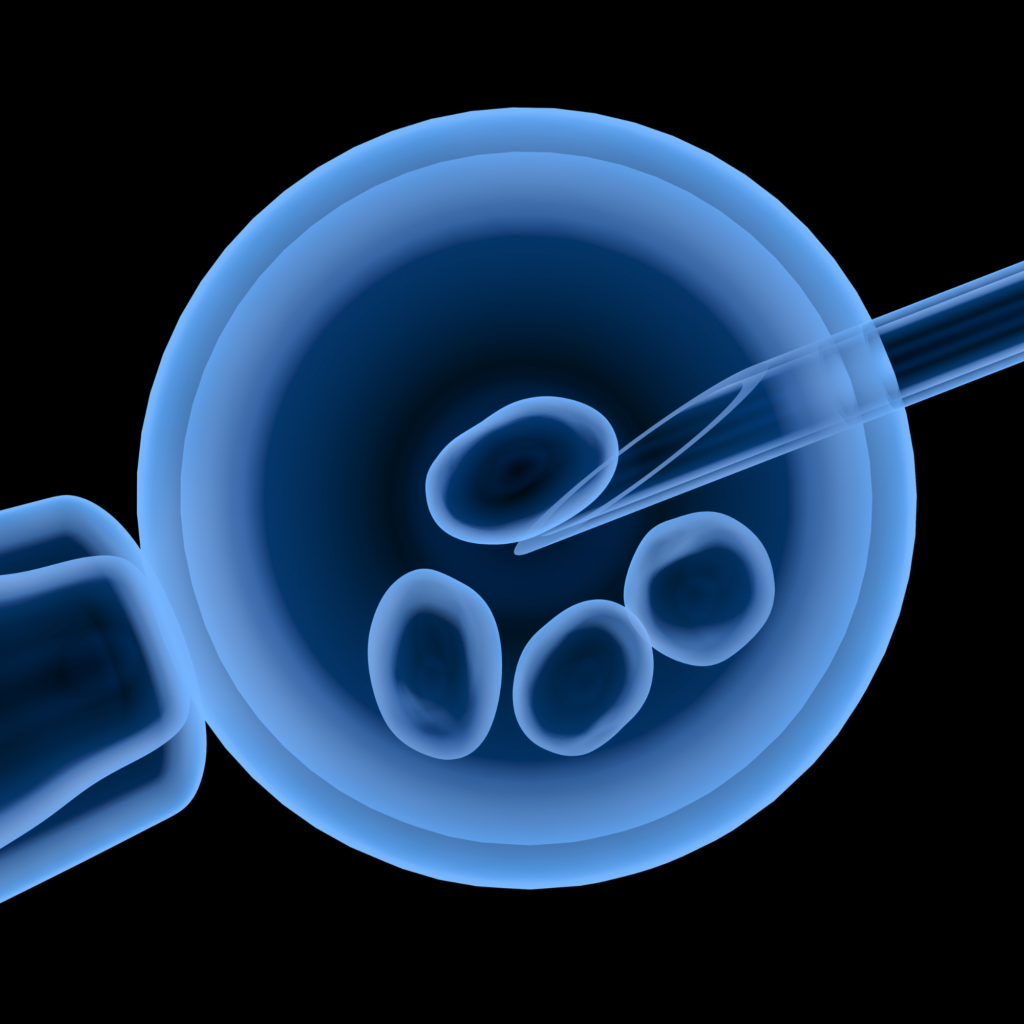
IVF (in vitro fertilization) is a remarkable medical procedure that offers hope to couples facing fertility issues. It involves extracting eggs, fertilizing them with sperm in a laboratory, and then transferring the resulting embryos into the uterus. While the concept sounds straightforward, the emotional and physical toll of the process cannot be underestimated.

Enduring fertility injections, monitoring appointments, and the constant roller coaster of hope and disappointment can be incredibly draining. Each failed cycle felt like a blow to my heart, and I questioned if I would ever experience the joy of motherhood.

Exploring the Option of Egg Donation:
After several unsuccessful IVF attempts, my partner and I found ourselves faced with the difficult decision of exploring alternative paths to parenthood. Egg donation was one option that offered new hope. It involves using donated eggs from a generous and compassionate woman to create embryos for transfer into my uterus.

The decision to pursue egg donation was not an easy one. It meant coming to terms with the fact that my genetic connection to my future child might be different than I had initially envisioned. However, the longing for motherhood outweighed any concerns, and we embraced this new path with hope and gratitude.

The Emotional Journey:
The emotional impact of infertility is often underestimated. Feelings of grief, loss, and inadequacy can be overwhelming. As Mother’s Day approached, I found myself navigating a whirlwind of emotions. While I longed to celebrate the day as a mother, I also felt the weight of my struggles and the sense of loss that infertility had brought into my life.

Finding Support:
During this challenging journey, finding a support system is vital. Whether it’s through online communities, counselling, or connecting with other women facing similar challenges, sharing experiences and feelings can provide a lifeline of understanding and empathy. Surrounding myself with people who offered unconditional love and support helped me navigate the ups and downs of infertility with a renewed sense of hope and resilience.


Mother’s Day Reflections:

As Mother’s Day approached, I took the time to reflect on the meaning of motherhood. I realized that being a mother is not solely defined by biology or the ability to conceive naturally. It is a role that encompasses love, nurture, and the willingness to go to great lengths to bring a child into your life. I reminded myself that my journey, although different from others, was still valid and deserving of celebration.

Finding Peace in the Present:
While Mother’s Day can bring a mix of emotions for women struggling with infertility, it’s essential to focus on the present and find peace in the journey we are on. Instead of dwelling on what hasn’t happened yet, I shifted my perspective towards gratitude for the steps I had taken and the possibilities that lay ahead.

Embracing Alternative Paths to Motherhood:
For women undergoing fertility treatments or considering options like egg donation, embracing alternative paths to motherhood can be empowering. It requires letting go of societal expectations and embracing the unique journey we find ourselves on. Mother’s Day can serve as a reminder that there are countless ways to experience the joys of motherhood, and our path is just as valid as anyone else’s.

Honouring the Strength and Resilience:
Mother’s Day is not just a celebration of mothers who have given birth but also an opportunity to honour the strength and resilience of women who are navigating the challenges of infertility. It is a day to recognize the unwavering determination, emotional fortitude, and unwavering hope that accompanies this journey.

As Mother’s Day approaches, let us come together as a community to support and uplift one another. Whether you are a woman struggling with infertility, a mother who has gone through the journey of IVF or egg donation, or a friend or family member wanting to offer support, let us embrace empathy, understanding, and compassion.

Navigating Mother’s Day as a woman going through the process of IVF, egg donation, or fertility challenges can be a complex and emotional experience. It requires acknowledging the complexities of our journeys, finding support, and redefining the meaning of motherhood.

Remember that your worth as a woman and your ability to be a loving, nurturing mother extend far beyond the challenges you face. Embrace the journey, find peace in the present, and celebrate the strength and resilience that resides within you.


What You Need to Know – Egg Donation

What You Need to Know – Egg Donation

Donating eggs is a noble act of kindness that helps millions of women around the world who struggle with infertility.

However, not every kind-hearted woman who wishes to donate eggs meets the requirements. This is because egg donations are only accepted from young, healthy women whose eggs are scientifically proven to provide the best chance of conception for the intended parents. If you are interested in donating eggs in South Africa, it is important to understand the requirements.

Age Requirements in South Africa, egg donors must be between 21 and 33 years old. While the legal age range is 18-35, fertility experts consider women aged 35 and older to be at an advanced maternal age. As a woman ages, the quality and quantity of her eggs decline, making it more difficult to conceive and carry a healthy pregnancy. Egg donors who are young, healthy, and in their prime fertile years are more likely to produce good-quality eggs and provide the intended parents with the best chance of conceiving.

Health Requirements Potential egg donors must be in good physical and mental health, with a BMI between 18 and 30. Lifestyle factors such as drug abuse disqualify women from becoming egg donors, while moderate alcohol and tobacco use are allowed. Donors also undergo a psychological assessment before donating.

Donation Limits Egg donors may donate up to six times legally, with no more than four donations within a 12-month period. Back-to-back donations are not allowed, as it is important to protect the physical and reproductive health of egg donors.

Choosing an Agency If you are interested in becoming an egg donor, it is important to select a reputable agency that is committed to your medical safety and care.

Contacting the agency is the first step towards fulfilling the dream of helping another woman have her own baby.

How Eggs are Retrieved from Ovaries: A Detailed Guide

How Eggs are Retrieved from Ovaries: A Detailed Guide

The process of harvesting or retrieving eggs from the ovaries is a crucial step in various fertility treatments such as egg donation, in vitro fertilization (IVF), and fertility preservation.  During every menstrual cycle, several eggs are recruited in follicles which are little black balloons full of fluid on the ovary, and only one egg will grow and ovulate.

To improve the number of eggs that can be retrieved, fertility specialists provide medication to stimulate the growth of the little follicles. These medications usually include injections containing a hormone called follicle stimulating hormone (FSH) and another hormone called LH depending on the patient’s age, egg reserve, and medical history.

Patients may feel nervous about taking injections, but it is a straightforward process that only requires injecting the medication into the lower tummy area for approximately 10 days. Patients also need medication to prevent ovulating the eggs.

During the treatment, the fertility specialist will monitor the growth of the follicles using scans. When the follicles reach a certain size, the egg is triggered, and egg retrieval day is usually around day 14. Patients receive a trigger shot the night before egg retrieval day to retrieve the eggs, and the procedure involves inserting a needle attached to an ultrasound into the ovary and follicles to retrieve the fluid containing the egg.

Patients may experience bloating and discomfort for a few days after the procedure, but it is normal, and painkillers can help. After five to ten days, patients should get a heavier period than usual, and their cycle should go back to normal, with no interference with future fertility.

It is crucial to have the egg retrieval procedure done only at an accredited medical facility, Gift ov life only works with the leading and accredited clinics throughout South Africa, where patients can expect individualized, personalized, and safe care.

A Heartfelt Letter of Gratitude from an Anonymous Egg Donor to Her Recipient Parents

A Heartfelt Letter of Gratitude from an Anonymous Egg Donor to Her Recipient Parents


To our Exceptional, Generous and Incredible Egg Donor,

We cannot express how grateful we are for the selfless act of kindness that you are about to perform for us. Your decision to donate your eggs is giving us the chance to fulfill our dreams of starting a family, and we cannot thank you enough for this incredible gift.

As a couple struggling with infertility, we have faced many challenges on our journey to parenthood. But your generosity has given us hope and a renewed sense of optimism for our future. You are helping us create a life that we have longed for, and we are so grateful for your help.

We are in awe of your courage and compassion in making this choice, and we want you to know how much we appreciate your sacrifice. We recognize the time, energy, and effort that you have put into this process, and we are grateful for your dedication and commitment.

Although we may never meet, we want you to know that you will always hold a special place in our hearts. Your kindness and generosity have changed our lives, and we will be forever grateful to you for this amazing gift.

We promise to honor your donation by raising our child with love, respect, and gratitude. We will tell them about the special person who helped us create our family, and we will teach them the importance of giving back and helping others in need.

Thank you, from the bottom of our hearts, for your selflessness and your willingness to help us in our journey to parenthood.

With love and gratitude,

Your Ever Grateful Recipient Couple

A Heartfelt Letter of Gratitude from an Anonymous Egg Donor to Her Recipient Parents

A Heartfelt Letter of Gratitude from an Anonymous Egg Donor to Her Recipient Parents


Dear Recipient Parents,

As an egg donor, I can’t express how grateful I am for the opportunity to help you bring a precious life into this world. It has been a privilege to be a part of your journey to parenthood, and I feel incredibly honored to have been chosen to be a donor for your family.

When I first decided to become an egg donor, I knew that I wanted to help families who were struggling to conceive. I wanted to give back and make a difference in the lives of others, and donating my eggs felt like the perfect way to do that. But I never could have imagined just how meaningful this experience would be for me.

Knowing that my eggs have given you the chance to have a child of your own is a feeling that is hard to put into words. It fills my heart with joy and happiness to know that I have played a small role in creating a family. I hope that you will cherish your child and enjoy every moment of your journey as parents.

While I may never know your child personally, I take comfort in the fact that a part of me will live on through them. I hope that they will grow up to be healthy, happy, and loved, and that they will always know just how much they are wanted and cherished.

Thank you for entrusting me with such an important task. It has been an honor to be a part of your family-building journey, and I wish you all the best as you embark on this new and exciting chapter of your lives.

With heartfelt gratitude and warm wishes,

Your Egg Donor (Anonymous)

Understanding Egg Donation Success Rates and Influential Factors in South Africa

Understanding Egg Donation Success Rates and Influential Factors in South Africa

Egg donation has become a popular option for couples and individuals who are struggling with infertility and wish to start a family. In South Africa, the egg donation process is highly regulated and has become a safe and effective means of conception for those in need. However, it is important to understand the success rates of egg donation and the factors that can influence them.

Success Rates of Egg Donation in South Africa

The success rates of egg donation in South Africa can vary depending on a number of factors. According to a study published in the South African Medical Journal, the overall success rate of egg donation in the country is around 60%, which is comparable to success rates in other countries.

The study found that the highest success rates of egg donation were achieved in recipients who were under the age of 40 and who had no history of failed IVF cycles. Other factors that were found to positively influence success rates included the use of frozen embryos and the use of younger and high-quality eggs.

Factors that Influence Success Rates of Egg Donation

There are several factors that can influence the success rates of egg donation in South Africa.

Some of these factors include:

Age of the Recipient: The age of the recipient is a key factor that can affect the success rates of egg donation. Women who are under the age of 40 generally have a higher success rate than women over the age of 40.

Quality of the Donor Eggs: The quality of the donor eggs can also impact the success rates of egg donation. Donor eggs that are of good quality and are retrieved from younger donors are more likely to result in a successful pregnancy.

Number of Embryos Transferred: The number of embryos that are transferred during the egg donation process can also influence the success rates. While transferring more embryos can increase the chances of pregnancy, it also increases the risk of multiple births and complications.

History of Failed IVF Cycles: Women who have a history of failed IVF cycles may have a lower success rate of egg donation.

Use of Frozen Embryos: The use of frozen embryos can also positively impact the success rates of egg donation. This is because frozen embryos have a higher chance of implantation.

Lifestyle Factors: Lifestyle factors such as smoking, alcohol consumption, and obesity can also impact the success rates of egg donation.

Egg donation in South Africa has provided many couples and individuals with the opportunity to start a family. While success rates can vary depending on a number of factors, the overall success rate of egg donation in the country is around 50-60%. Factors that can influence success rates include the age of the recipient, the quality of the donor eggs, the number of embryos transferred, the use of frozen embryos, and lifestyle factors. It is important to discuss these factors with your fertility specialist and to make informed decisions about your egg donation journey.


Egg Donation and Genetic Testing in South Africa

Egg Donation and Genetic Testing in South Africa

Egg donation is a fertility treatment option that has helped many couples struggling with infertility to start a family. In South Africa, egg donation is a legal and regulated process that involves a young, healthy woman donating her eggs to help another person or couple conceive. However, like with any medical procedure, there are risks and considerations to be aware of, including genetic testing.

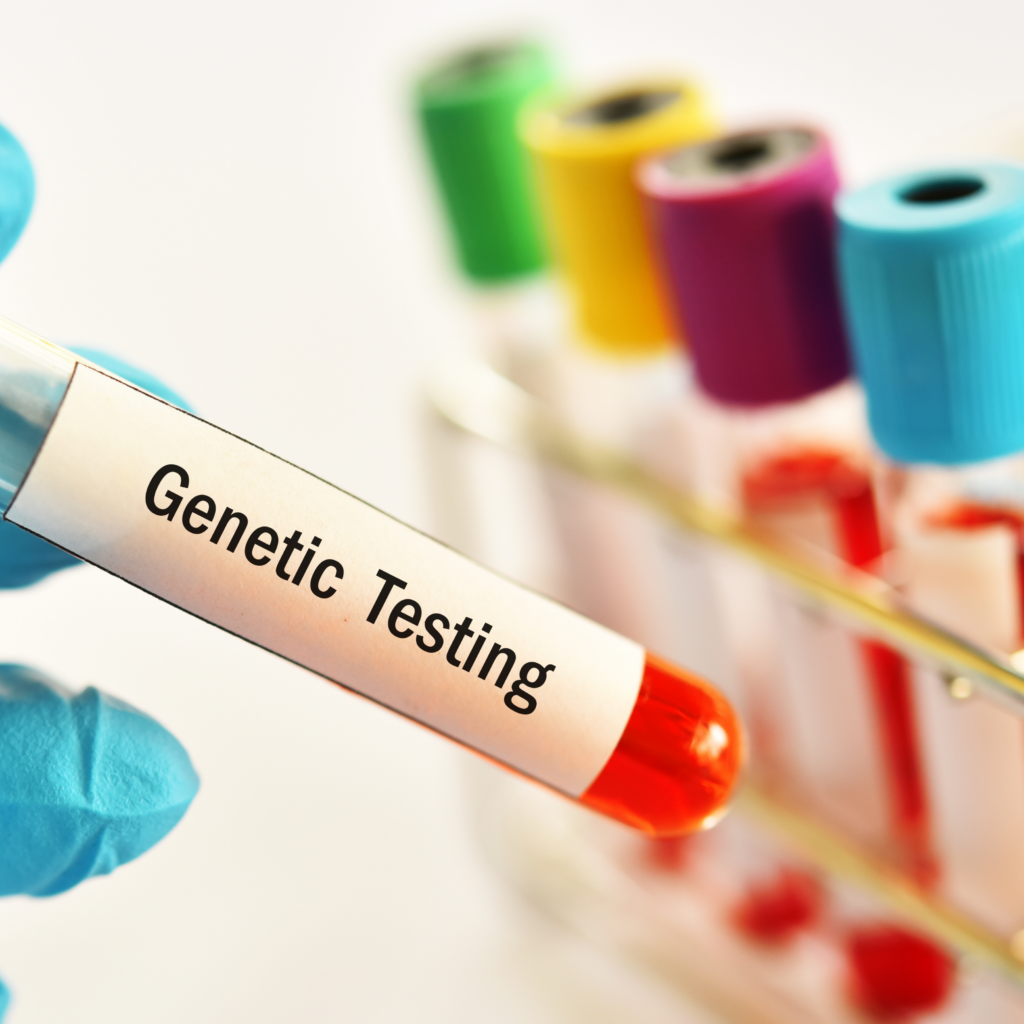
Genetic testing is a vital part of the egg donation process, as it helps to ensure the health and safety of both the donor and the recipient. In South Africa, all egg donors undergo genetic screening before being accepted into a donor program. The screening process involves a comprehensive analysis of the donor’s family medical history and genetic makeup, including tests for genetic disorders that can be passed on to offspring. The genetic testing process is designed to identify any potential genetic risks to the offspring, as well as any health concerns for the donor. This information is then used to match donors with recipients who have similar genetic backgrounds and to ensure the health of the future child.

For egg donors in South Africa, genetic testing can be an emotionally challenging process. The tests can uncover information about genetic risks that the donor was previously unaware of, and this can be difficult to come to terms with. It is important for donors to have access to counselling and support throughout the process to help them manage any emotional or psychological challenges that may arise.

Genetic testing also plays a crucial role in ensuring the success of the egg donation process. By identifying genetic risks, doctors can select the most appropriate donor and recipient pairings to increase the chances of a successful pregnancy and healthy baby.

In addition to genetic testing, egg donors in South Africa are also subject to other medical tests and screenings to ensure their physical health and suitability for donation. These tests include blood tests, ultrasounds, and physical examinations.

It is essential for anyone considering egg donation to be fully informed about the process, including the risks and potential outcomes. Potential egg donors should consult with a reputable egg donation agency, such as Gift ov life, to learn more about the screening and testing process, as well as any emotional and psychological considerations.

At Gift ov life, we understand the importance of genetic testing and its role in ensuring the health and safety of both the donor and the recipient. We work closely with all of our donors to provide comprehensive support and counselling throughout the egg donation process, including genetic testing.

We also work closely with our recipients to ensure that they are fully informed about the testing process and any potential genetic risks, and we help them to select the most appropriate donor for their individual needs.

Genetic testing is an essential part of the egg donation process in South Africa, and it plays a crucial role in ensuring the health and safety of both the donor and the recipient. It is important for anyone considering egg donation to be fully informed about the process, including the testing and screening procedures, and to have access to counselling and support throughout the process. By working with a reputable egg donation agency like Gift ov life, potential donors and recipients can ensure that they receive the best possible care and support throughout the journey to parenthood.

The Requirements for Egg Donation: Do You Qualify?

The Requirements for Egg Donation: Do You Qualify?

Egg donation is a beautiful and selfless act of kindness that can help women around the world who struggle with infertility. However, not everyone qualifies to donate their eggs. A reputable fertility clinic requires young and healthy women to ensure the best chances of successful conception for the parents-to-be. We will cover here the requirements that need to be met to become an egg donor.

Age Qualifications for Egg Donation

In South Africa, egg donors must be between 21 and 31 years old. Although the legal age to donate eggs is 18 years, the South African Society for Reproductive Medicine (SASREG) recommends that egg donors are at least 21 years old. Women who are over 35 years old are considered to have an “advanced” maternal age, and both the quality and quantity of their eggs decline with age. For this reason, the upper age limit for egg donors is 31 years old.

Health Qualifications for Egg Donation

To qualify as an egg donor, you must be physically and mentally healthy. Your physical health can be determined by calculating your body mass index (BMI), which tells you whether your weight is healthy for someone of your height. Egg donors need to have an optimal BMI between 18 and 30. Good lifestyle choices are also necessary to become an egg donor. Certain lifestyle choices, such as drug abuse, disqualify women from becoming egg donors. Although smoking cigarettes is not a disqualifier, good results over 25 years of practice have shown that smoking donors produce fewer eggs and poor-quality embryos compared to non-smoking donors. Thus, non-smoking egg donors are preferred.

Mental health is also important, and egg donors undergo psychological assessments before donating.

Commitment to Egg Donation Program

Donating eggs requires more time and involvement than other types of donations. For instance, to complete an egg donation cycle, you will need to self-administer fertility injections for 10-12 days and attend four doctor’s appointments during this time, as well as taking a full day off work or daily activities on egg retrieval day. Therefore, qualifying as an egg donor requires dedication and time.

Altruistic Motivation

Egg donation is a complex process that requires more time and effort from egg donors than other types of donations. The donation process may also have a psychological impact. Therefore, egg donors must have a deep desire to help another woman conceive and be motivated by altruism.

Conclusion

If you meet the qualifications for egg donation, you can contact us and become a donor.

Egg donation is a generous act that can bring joy and fulfilment to another woman’s life. By donating young and healthy eggs, you can give an infertile couple the best chance of successful conception and help them start a family.